
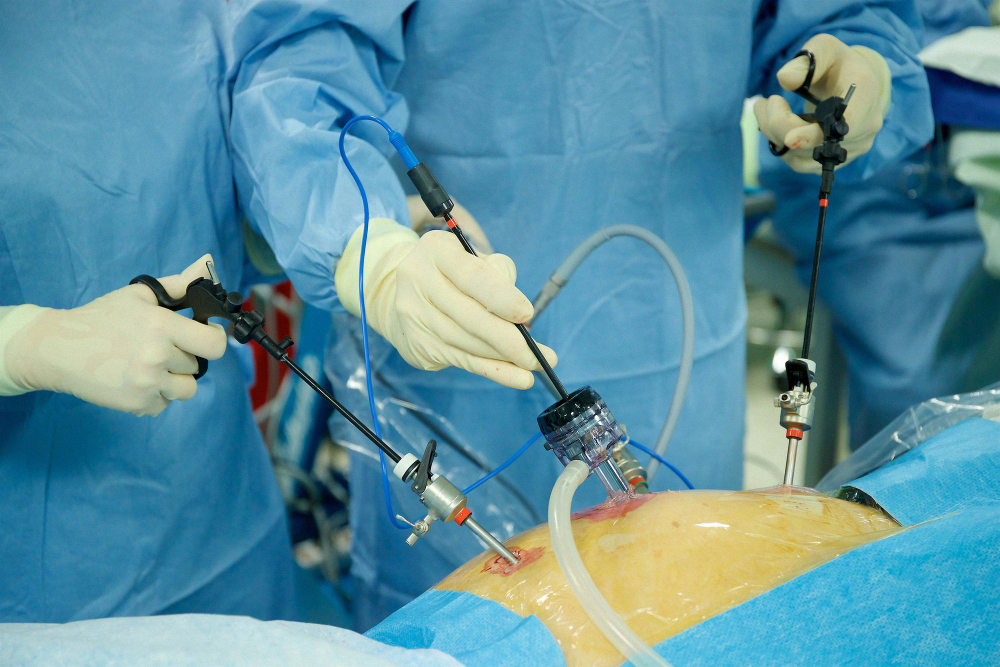
What is Laparoscopic Splenectomy?
Laparoscopic splenectomy is a type of minimally invasive spleen surgery. In this procedure, doctors remove the spleen using small cuts and special tools. The spleen is an organ in your upper left belly. It helps fight infections and filters blood. Sometimes, doctors need to remove the spleen if it is damaged or diseased. Laparoscopic spleen removal is safer and less painful than open surgery. Many people choose this method because it leads to faster recovery and fewer scars.
Indications: When is it Needed?
Doctors may suggest laparoscopic splenectomy for several reasons. Often, it is needed when the spleen is not working well or is causing health problems. For example, you may need this surgery if you have:
Sometimes, doctors also recommend spleen removal if there is a risk of rupture. However, not everyone with spleen problems needs surgery. Your doctor will decide based on your health and test results.
How is the Procedure Performed?
Laparoscopic splenectomy uses small cuts and a camera to remove the spleen. Here is how the procedure usually goes:
Because the cuts are small, you usually have less pain and heal faster. Most people stay in the hospital for one or two days after surgery.
Benefits of Laparoscopic Splenectomy
Laparoscopic spleen removal offers many advantages over open surgery. For instance, you may notice:
Because the surgery is less invasive, your recovery time is usually shorter. Many patients can go back to work or school within two weeks.
Risks and Possible Complications
Like all surgeries, laparoscopic splenectomy has some risks. However, most people have a safe experience. Possible complications include:
After spleen removal, your risk of certain infections increases. Therefore, doctors may recommend vaccines before and after surgery. According to the CDC, these vaccines help protect you from serious infections.
Recovery and Aftercare
Recovery from laparoscopic splenectomy is usually quick. Still, you should follow your doctor’s advice for the best results. Here are some tips for a smooth recovery:
Most people feel better within a few weeks. However, some may need more time, especially if they had other health problems before surgery. Always call your doctor if you have concerns during recovery.
Prevention and Lifestyle Guidance
After spleen removal, you need to take extra care to avoid infections. For example, you should:
Because your spleen helps fight germs, you may be more at risk for certain illnesses. Therefore, always carry a medical alert card or bracelet that says you do not have a spleen. This helps doctors give you the right care in emergencies.
Conclusion
Laparoscopic splenectomy is a safe and effective way to remove the spleen. It offers many benefits, such as less pain and faster recovery. However, it is important to know the risks and follow your doctor’s advice after surgery.
Consult a qualified surgeon at Greenview Medical Center to discuss if laparoscopic splenectomy is right for you.