Introduction
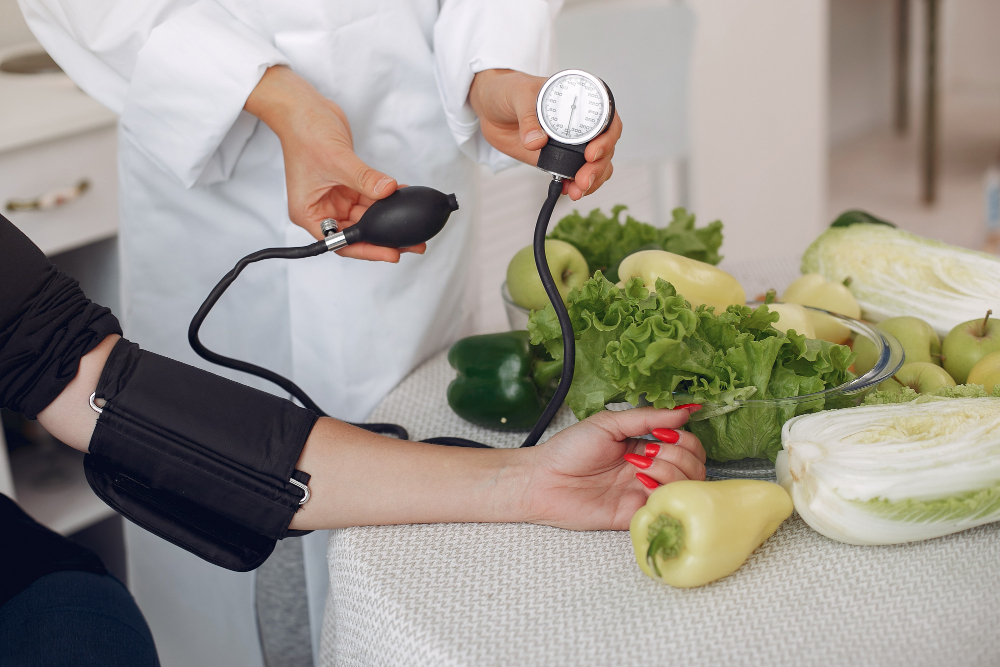
High blood pressure, also called hypertension, happens when the force of blood against your artery walls is too high. This condition can lead to heart disease, stroke, and other health problems. However, a balanced diet for managing high blood pressure is one of the best ways to control it. In fact, healthy eating for high blood pressure can lower your risk and improve your overall well-being. Let’s explore why diet matters and how you can make smart food choices every day.
What is High Blood Pressure?
High blood pressure means your heart works harder to pump blood. Over time, this can damage your blood vessels and organs. Usually, you may not notice any symptoms. But, if left untreated, it can cause serious health issues. According to the World Health Organization (WHO), high blood pressure is a leading cause of heart attacks and strokes worldwide. Therefore, knowing your numbers and taking steps to manage them is important.
Why Diet Matters in Blood Pressure Control
Diet plays a big role in controlling blood pressure. For example, eating too much salt can raise your numbers. On the other hand, eating more fruits and vegetables can help lower them. Because your body needs the right balance of nutrients, what you eat every day makes a difference. The Centers for Disease Control and Prevention (CDC) says that a healthy diet can help prevent and manage hypertension. So, making smart food choices is a key step in staying healthy.
Key Components of a Balanced Diet for Hypertension
To manage high blood pressure, focus on these key parts of a balanced diet:
Moreover, drinking enough water and limiting sugary drinks is also important.
Foods to Include and Avoid
Making the right food choices can help lower blood pressure. Here are some foods to include and avoid:
Instead of adding salt, try herbs and spices for flavor.
Practical Tips for Healthy Eating
Eating well does not have to be hard. Here are some simple tips to help you get started:
With small changes, you can make a big difference in your health.
Lifestyle Guidance for Lasting Results
Besides diet, other lifestyle changes can help manage high blood pressure. For instance, regular exercise, such as walking or swimming, supports heart health. Also, keeping a healthy weight and managing stress are important. If you smoke, try to quit. Limiting alcohol and getting enough sleep also help. When you combine these habits with a balanced diet, you are more likely to see lasting results.
Prevention and Long-Term Benefits
Eating a balanced diet does more than just lower blood pressure. Over time, it can reduce your risk of heart disease, stroke, and kidney problems. It also helps you feel more energetic and improves your mood. Even small changes can have big effects in the long run. Therefore, starting healthy habits now can protect your health for years to come.
Consult a healthcare professional at Greenview Medical Center for personalized dietary advice on managing high blood pressure.