
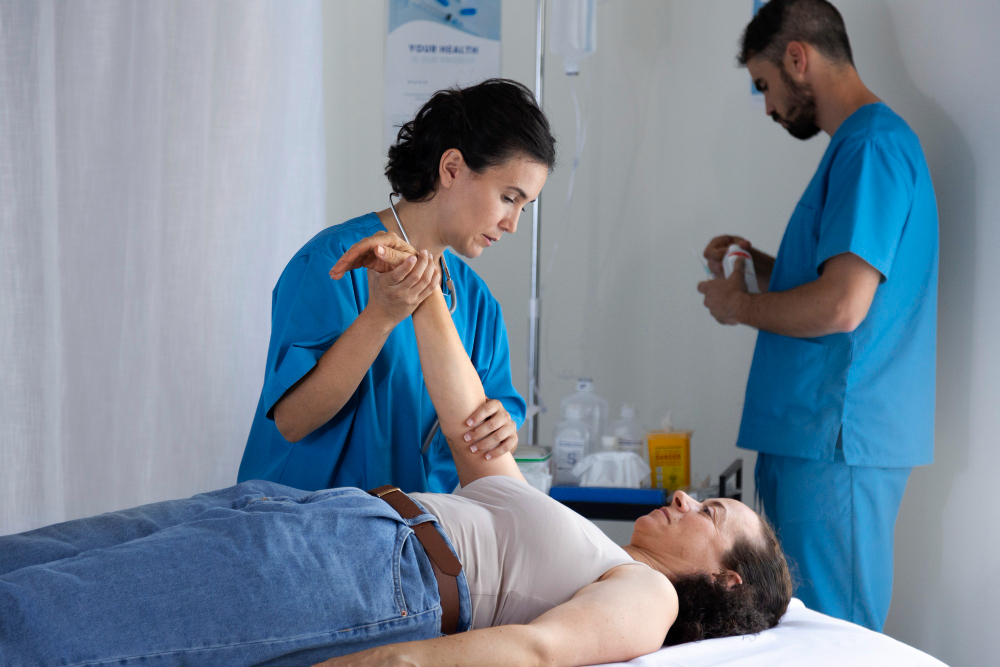
Introduction: Understanding Post-Surgery Rehabilitation
After surgery, your body needs time and care to heal. This healing process is called post-surgery rehabilitation. During this time, you may feel weak or stiff. However, with the right support, you can recover faster. Physiotherapy plays a big role in helping people regain strength and movement after surgery. In fact, post-surgery physiotherapy is often recommended by doctors to improve recovery and prevent problems.
Importance of Physiotherapy After Surgery
Physiotherapy is essential after surgery for many reasons. First, it helps restore movement in the affected area. Without regular movement, joints and muscles can become stiff. Also, physiotherapy reduces pain and swelling. It guides you through safe exercises, which help your body heal. Moreover, rehabilitation after surgery lowers the risk of complications, such as blood clots or infections. According to the World Health Organization (WHO), early movement and exercise are key to a healthy recovery.
Benefits of Physiotherapy After Surgery
Physiotherapy offers many benefits for people recovering from surgery. These include:
Common Physiotherapy Techniques Used Post-Surgery
Physiotherapists use many evidence-based methods to help you recover. Some common techniques include:
Each plan is tailored to your needs, so you get the best results.
Recovery Timeline: What to Expect
Every person heals at a different pace. However, most people follow a similar path during rehabilitation after surgery. Here is what you can expect:
Remember, your recovery timeline depends on your surgery type and overall health.
Tips for Success with Post-Surgery Physiotherapy
To get the most from physiotherapy, try these tips:
With these steps, you can make steady progress.
Prevention of Complications
Physiotherapy does more than help you heal. It also prevents problems that can slow your recovery. For example, regular movement lowers the risk of blood clots and lung infections. In addition, exercises keep your muscles strong, which helps you avoid falls or injuries. According to the Centers for Disease Control and Prevention (CDC), early rehabilitation reduces hospital stays and improves long-term health.
When to Consult a Physiotherapist
It is important to seek help from a qualified physiotherapist after surgery. You should consult a professional if you:
Early support can make a big difference in your healing journey.
Conclusion
In summary, post-surgery physiotherapy is key to a safe and full recovery. It helps restore movement, reduces pain, and prevents complications. With the right support, you can return to your daily life faster and stronger. Consult a qualified physiotherapist at Greenview Medical Center for personalized post-surgery rehabilitation guidance.